
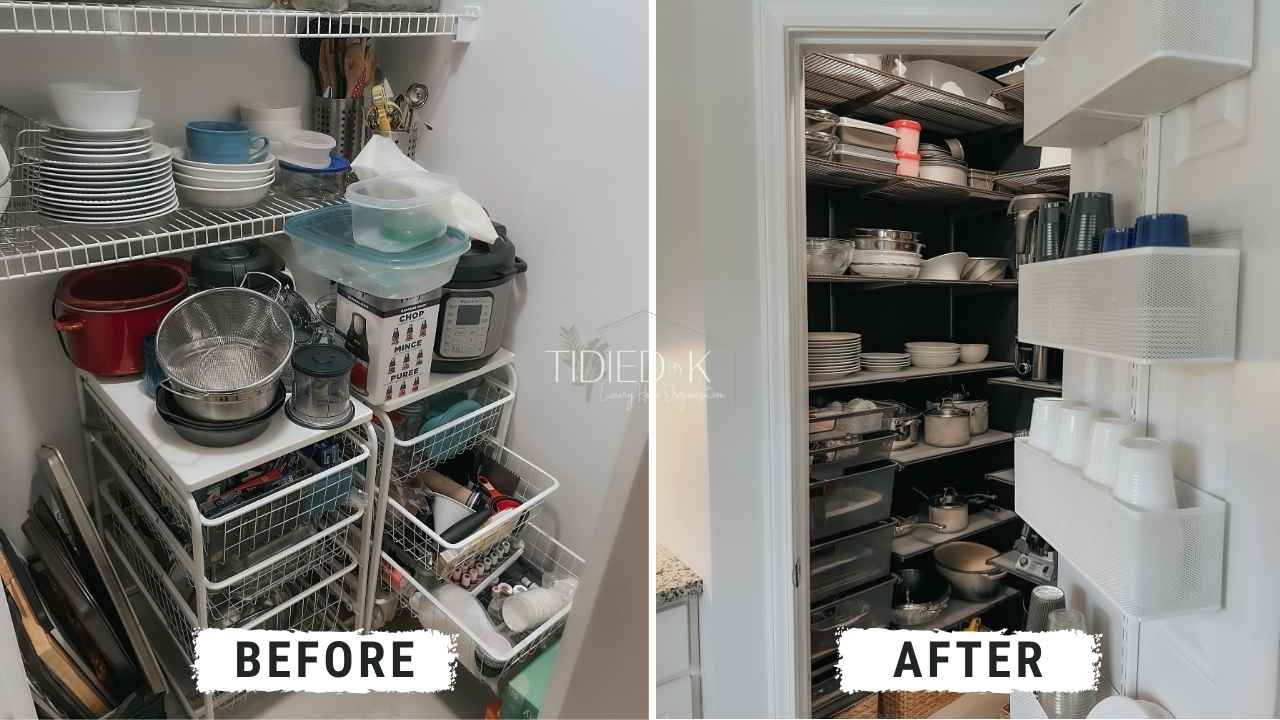
1. Create Pantry Zones That Make Finding and Putting Away Food Easier
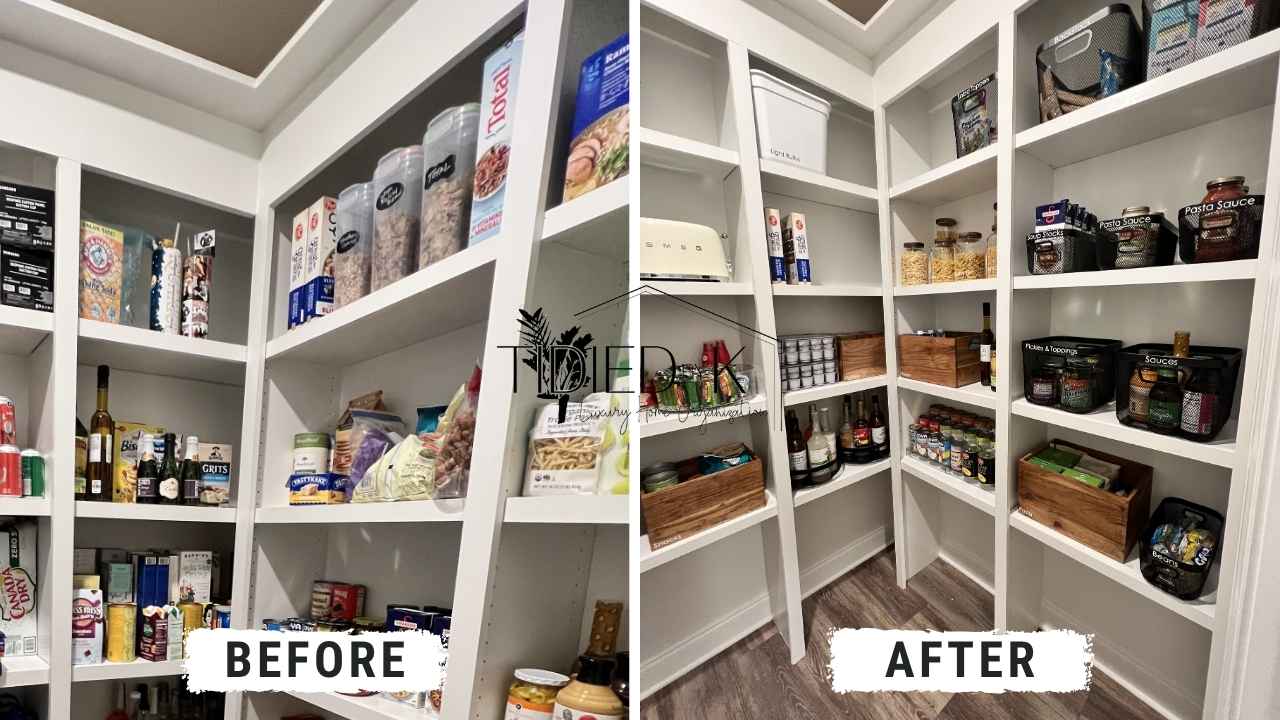
A pantry without clearly defined categories can quickly become a collection of groceries with nowhere specific to go.
You might have pasta on three different shelves, snacks scattered throughout the space, and several half-empty containers of the same ingredient.
One of our favorite ways to organize a pantry is by creating dedicated zones based on how a household shops, cooks, and eats.
For example:
- Breakfast foods
- Snacks and grab-and-go items
- Baking ingredients
- Pasta, rice, and grains
- Canned goods
- Backstock and bulk purchases
Why it works: When every category has a designated home, everyone knows where to find items and, more importantly, where to put them back.
From our projects: We worked with a client whose pantry was becoming difficult to manage because she frequently purchased ingredients she already owned. After decluttering, categorizing, and consolidating her groceries, she could see what she had and avoid buying the same items again.
2. Use Drawer Dividers to Keep Small Items From Becoming One Big Mess
Drawers are some of the easiest places for clutter to accumulate.
Without separation, everything gets tossed together. Eventually, finding one item means digging through several others.
Drawer dividers are a simple solution that can make a noticeable difference.
We love using them for kitchen utensils, bathroom essentials, undergarments, office supplies, and miscellaneous household items.
Why they work: Dividers create boundaries that keep categories from mixing. They also make it easier to see what you own without emptying the entire drawer.
Our professional organizing tip: Measure your drawers before buying organizers. Pay attention to both width and depth, and choose products that fit the items you’re storing.
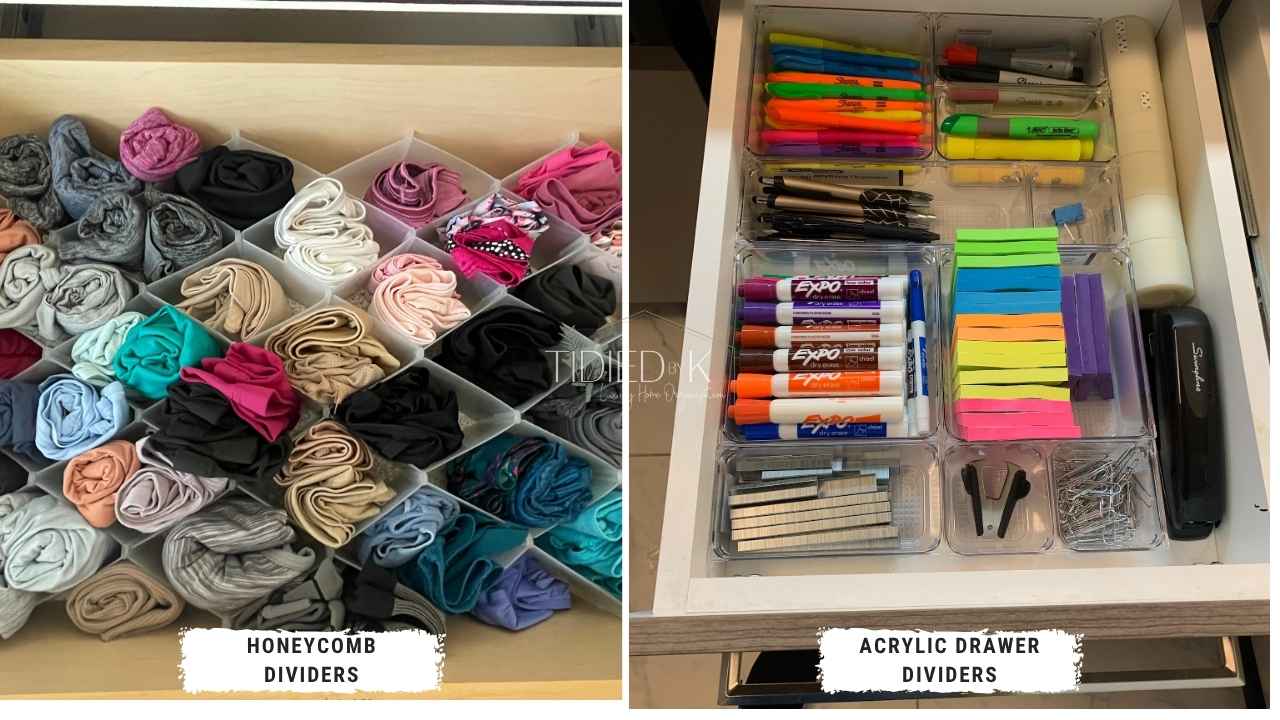
Here are the showcased items:
Acrylic Drawer Dividers (plastic)
Acrylic Drawer Dividers (bamboo)
Adjustable Drawer Dividers (bamboo)
Adjustable Drawer Dividers (plastic)
3. Design Closet Zones Around Your Actual Wardrobe
A closet can be beautifully designed and still be frustrating to use.
Maybe your shoes are hard to access, your handbags are stacked on top of one another, or your most-worn clothes hang in the least convenient spot.
At Tidied by K, we organize closets around what our clients actually own and wear.
That means creating designated areas for everyday clothing, workwear, formalwear, shoes, handbags, accessories, and seasonal pieces.
Why it works: Grouping similar items makes getting dressed easier, helps you see what you own, and reduces the likelihood of clothing ending up in random places.
From our projects: During a three-day primary suite transformation, our team decluttered and organized a client’s bedroom and closet, creating a boutique-inspired space. Before planning the closet layout, we evaluated the quantity of shoes, handbags, hanging garments, and other belongings to ensure the design accommodated her wardrobe.
The result was a closet designed around her belongings, not forcing them into a predetermined layout.
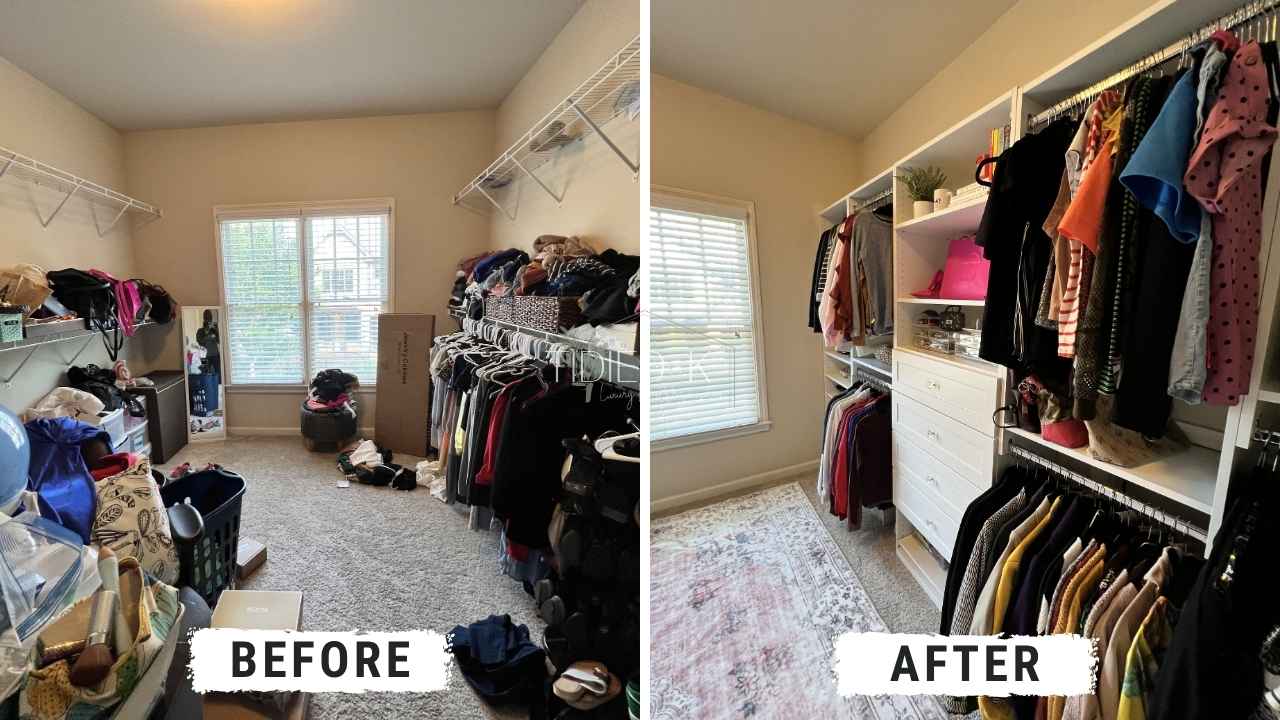
Closet 1- Custom Design
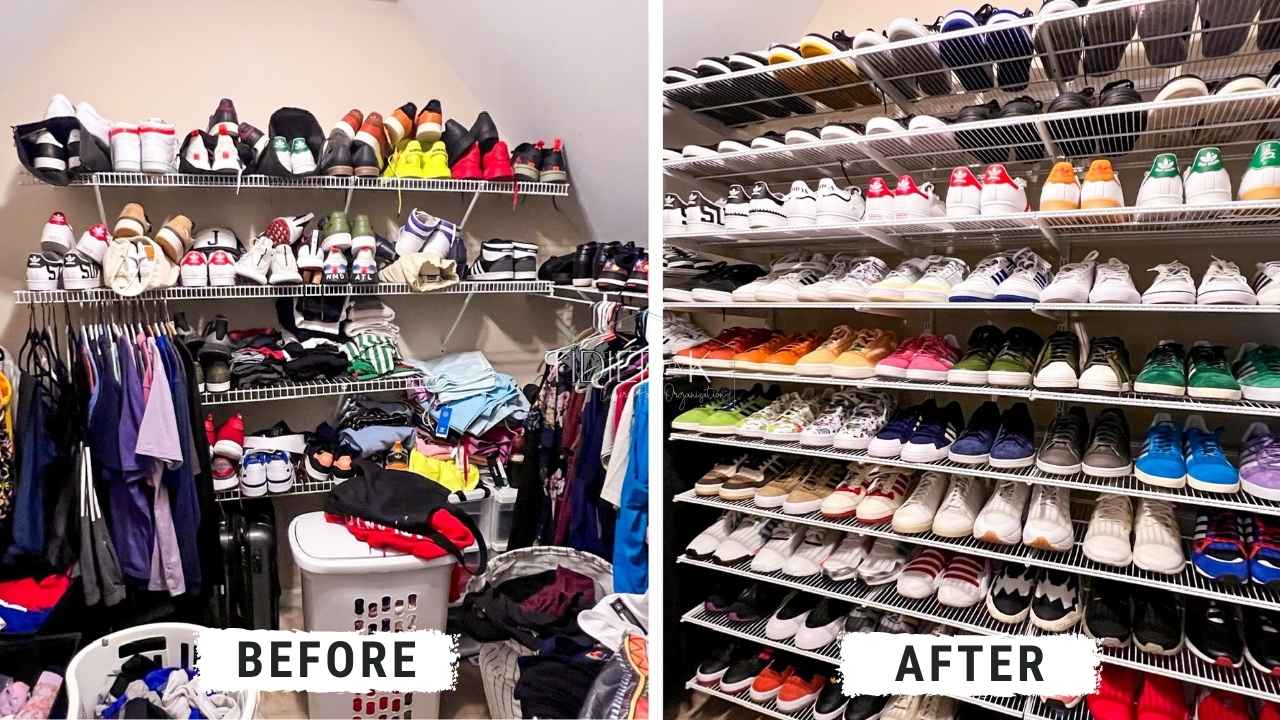
Closet 2- Elfa System from The Container Store
4. Establish an Entryway Drop Zone for Everyday Essentials
Keys on the kitchen counter. Shoes by the front door. Mail on the dining table. Backpacks wherever they land.
When everyday belongings don’t have a convenient home, they tend to accumulate in the places we use most.
A functional entryway drop zone helps solve this problem.
Depending on your space, your system might include wall hooks, shoe storage, a small tray for keys, a basket for accessories, or designated compartments for each family member.
Why it works: Instead of relying on everyone to remember where things belong, the system makes putting items away part of the natural routine of entering and leaving home.
Our professional organizing tip: Pay attention to where belongings naturally land before deciding where to create your drop zone. The most effective location usually aligns with your household’s existing habits.
Show & Tell: Feature a Tidied by K coat closet or entryway project showing designated storage for frequently used belongings.
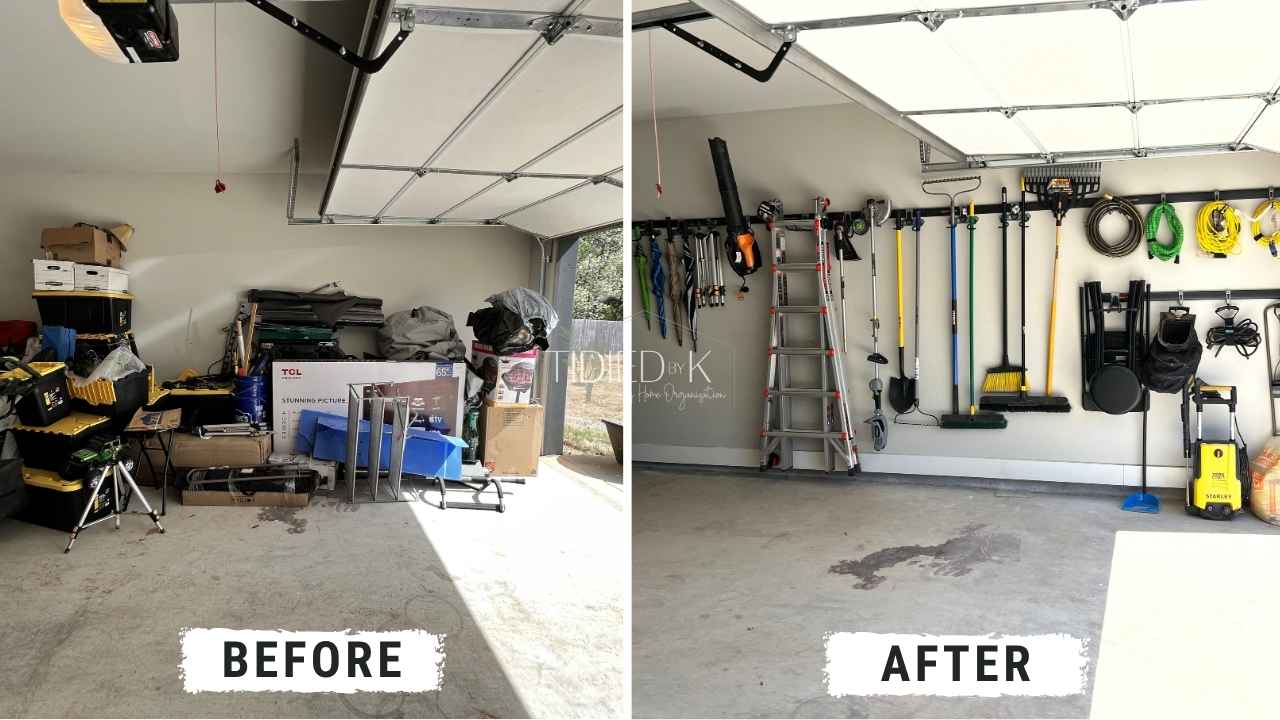
5. Use Vertical Storage to Maximize Available Space
Sometimes the issue isn’t how much storage you have. It’s how effectively you’re using it.
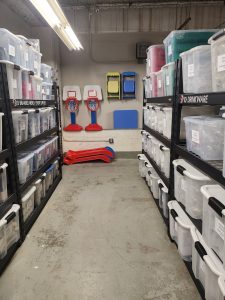
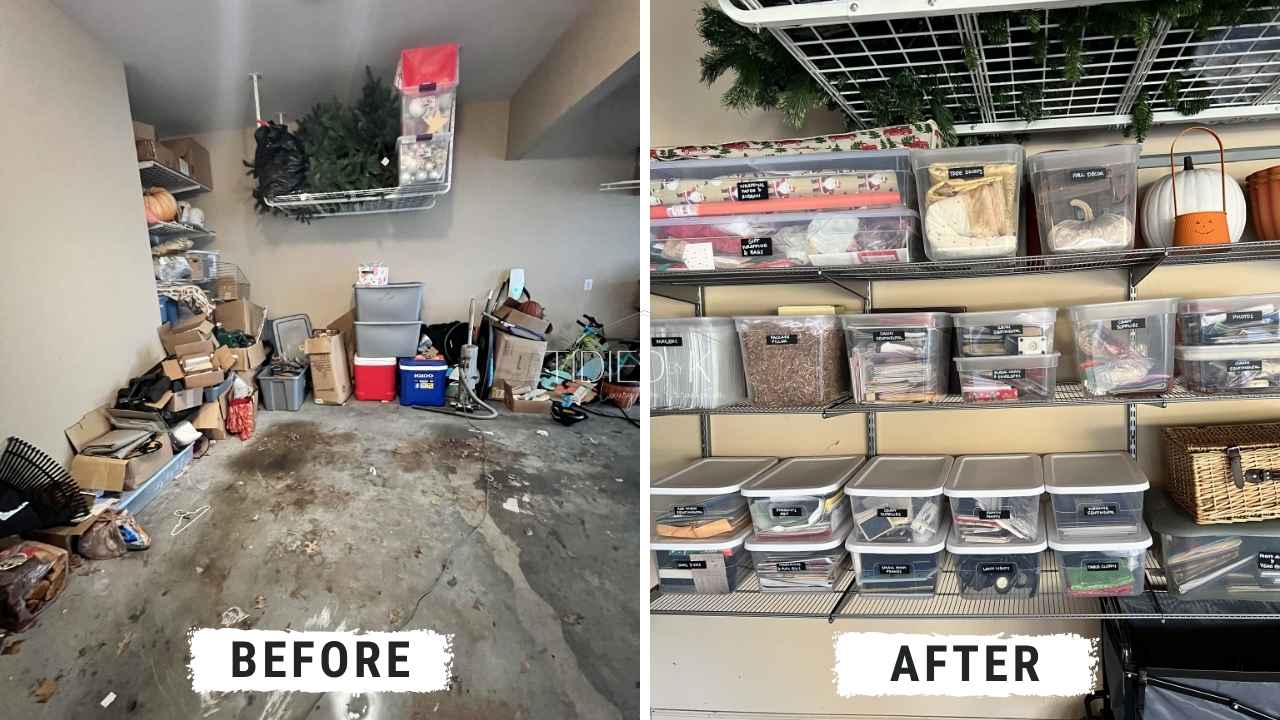
We regularly see closets, garages, pantries, and utility spaces with unused vertical space.
Adding shelves, stackable containers, wall-mounted organizers, or properly installed storage systems can increase usable capacity without needing more floor space.
Why it works: Vertical storage creates more space for your items while keeping frequently used items within reach.
From our projects: We helped a client reorganize her garage by installing a customized storage solution and creating designated zones. We designed the system to improve the garage’s functionality while leaving enough room for both vehicles.
The goal wasn’t simply to make everything fit. It was to make the space easier to navigate and use.
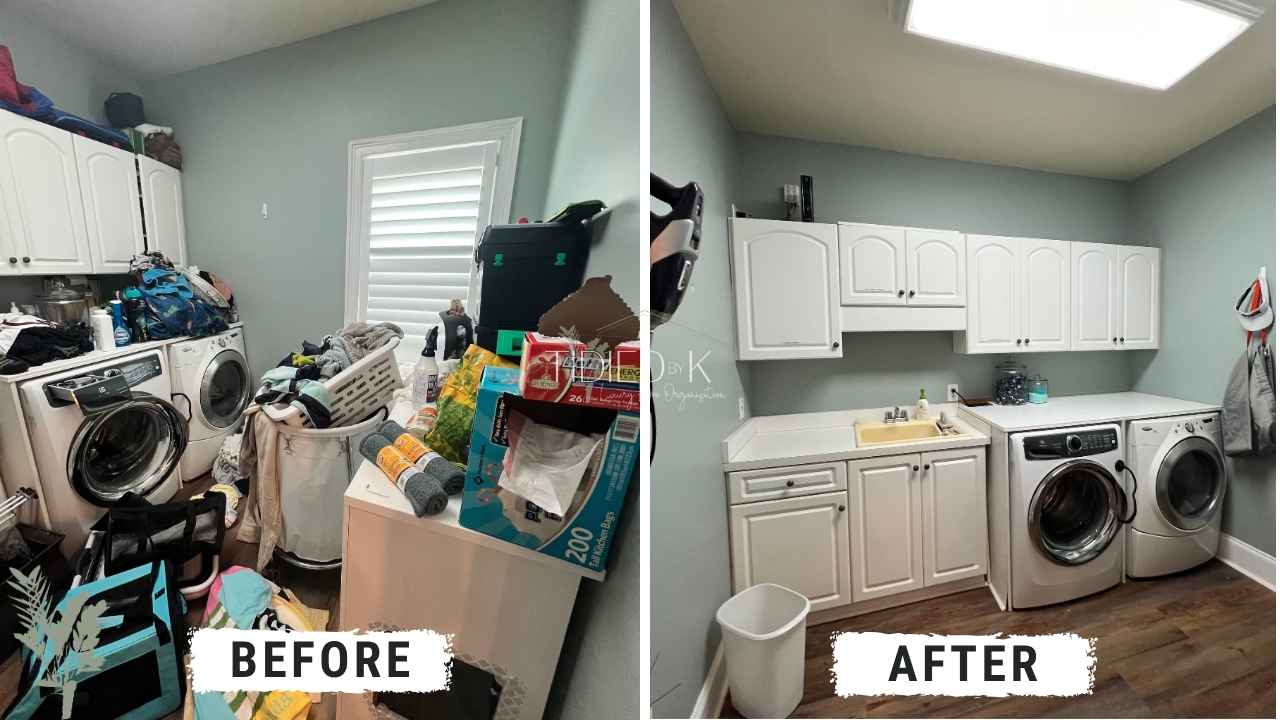
6. Create a Laundry System That Supports Your Household’s Routine
Laundry rooms can become clutter magnets.
With detergents, cleaning supplies, laundry baskets, extra linens, and clothes waiting to be folded, the space can quickly feel overwhelming.
One of the most practical home organization systems you can establish is a laundry setup that supports the entire process, from sorting to washing to putting clothes away.
Consider creating designated areas for dirty laundry, detergents, stain-treatment supplies, clean laundry, and items that need special care.
Why it works: When supplies are easy to access and each stage of the laundry process has a place, there are fewer unnecessary steps.
Our professional organizing tip: Don’t create a complicated sorting system if your household is unlikely to use it. Sometimes two clearly labeled laundry baskets work better than six separate compartments.
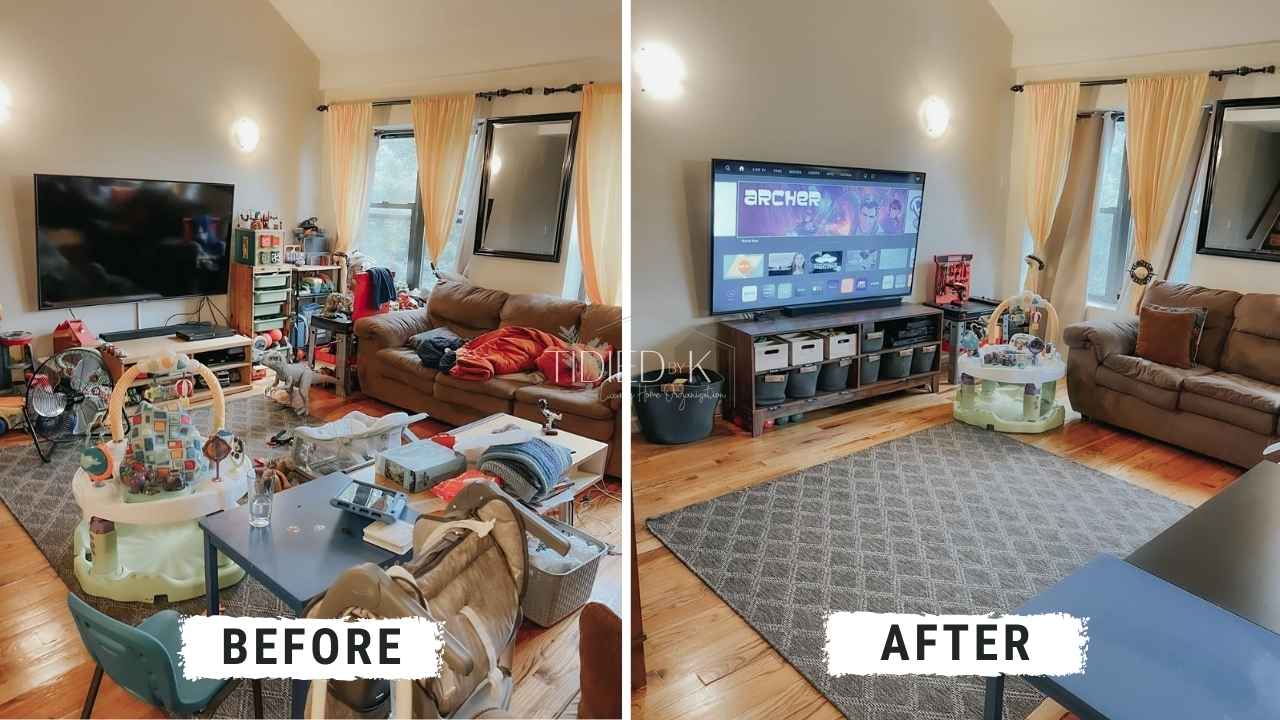
7. Build a Kid-Friendly Toy Organization System
Children’s spaces require a different approach to organizing.
A beautifully arranged playroom isn’t useful if children can’t find their toys or put them away independently.
We recommend creating broad categories children can easily recognize.
Think building blocks, dolls, cars, puzzles, art supplies, and games.
Use accessible bins, low shelves, and picture labels for younger children who aren’t reading yet.
Why it works: Simple categories reduce the number of decisions children need to make during cleanup.
Our professional organizing tip: Avoid creating overly specific categories. If putting toys away feels like completing a complicated sorting activity, the system probably needs to be simplified.
8. Organize Bathroom Products by Category and Frequency of Use
Bathrooms often contain more products than we realize.
Skincare, haircare, makeup, medication, hygiene products, and backup toiletries can quickly overwhelm drawers and cabinets.
Instead of storing everything wherever it fits, create categories by product type and how often you use it.
Keep everyday essentials in the most accessible areas. Store less frequently used items in secondary locations, and consolidate backup products into designated containers.
Why it works: Categorizing products helps prevent overbuying, reduces time spent searching for essentials, and makes it easier to maintain an orderly space.
Our professional organizing tip: Don’t automatically purchase more containers. Declutter expired, empty, and unused products first. You may discover you already have more than enough storage.
9. Create a Home for Household Backstock
Bulk shopping can be convenient, but without a designated storage system, extra products tend to spread throughout the house.
Paper towels end up in the laundry room. Extra toiletries are stored under multiple bathroom sinks. Cleaning supplies get tucked into whatever cabinet has available space.
A backstock system creates a designated location for extra household inventory.
Depending on your home, that might be a utility closet, garage shelving unit, pantry section, or storage cabinet.
Why it works: Keeping backup products together makes it easier to monitor inventory, avoid unnecessary purchases, and replenish frequently used items.
Our professional organizing tip: Create realistic limits for how much backstock your home can accommodate. Buying in bulk doesn’t always save money if you buy more than you can comfortably store or use.
10. Establish a Paper Management System
Paper clutter can accumulate quietly.
Mail, receipts, school papers, bills, warranties, and important documents often end up in stacks that become increasingly difficult to manage.
A functional paper management system separates incoming paperwork from documents you need to keep long-term.
Consider creating three primary categories:
- Action needed: Bills, forms, or documents requiring attention.
- Reference: Documents you need to keep and access occasionally.
- Discard: Papers you can recycle or securely shred.
Why it works: A simple system reduces how often you handle the same paperwork and makes important documents easier to find.
Our professional organizing tip: Your system should include a routine for processing incoming papers. A filing cabinet won’t solve paper clutter if you never file new documents in the right folders.
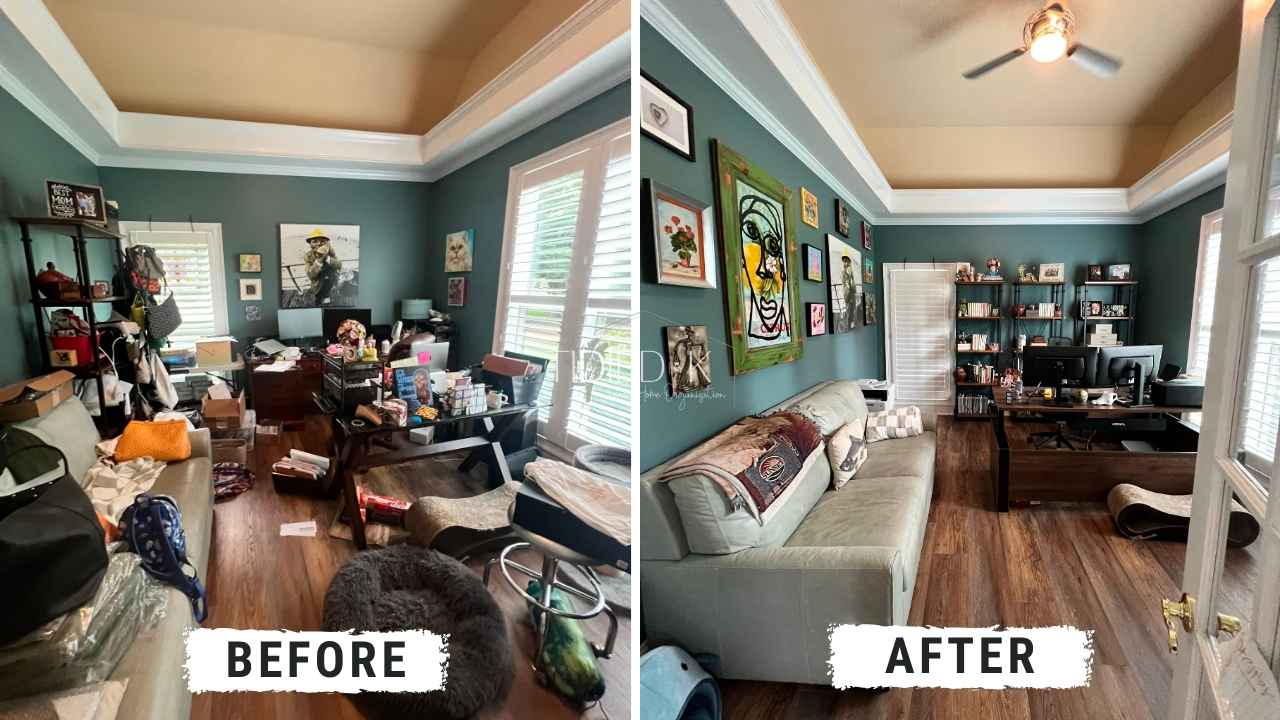
11. Create a Maintenance System That Keeps Everything Working
Here’s the part of organizing that gets far less attention: maintenance.
Even the most thoughtfully designed home organization systems need occasional attention.
Groceries come into the house. Children outgrow toys. Clothing needs change. New belongings are purchased.
Your home isn’t static, so your organizing systems shouldn’t be either.
We encourage clients to establish simple maintenance routines that fit naturally into their schedules.
That might look like spending 10 minutes resetting the kitchen each evening, reviewing pantry inventory before grocery shopping, returning clothing to its designated location, or periodically decluttering items that are no longer useful.
Why it works: Small, consistent habits keep everyday clutter from becoming another major organizing project.
Our professional organizing tip: Pay attention when a system consistently stops working. That doesn’t always mean you’re doing something wrong. It may mean the system needs adjusting to better fit your lifestyle.
At Tidied by K, our work doesn’t end with making a space look beautiful. We also walk clients through the systems we’ve established so they understand how to maintain them long after our team leaves.
What Makes a Home Organization System Actually Work?
Here’s something we wish more homeowners understood: You don’t need more organizing products. You need organizing solutions that address the actual problems in your home.
A basket doesn’t automatically create organization. Neither does a label, a custom closet, or a matching set of containers.
Those are tools.
The real system is the strategy behind how you use those tools.
When we’re developing home organization systems for our clients, we consider several important factors:
- Accessibility: Can everyone who needs an item easily reach it?
- Functionality: Does the placement make sense for how the item is used?
- Capacity: Is there enough room for everything without overcrowding?
- Simplicity: Can household members understand and maintain the setup?
- Sustainability: Will the system continue working as everyday life happens?
That’s why we prioritize decluttering before organizing.
It’s difficult to create functional systems when you’re trying to accommodate belongings you no longer need, use, or love.
Beautiful Organization Is Great. Functional Organization Is Better.
We love a beautiful pantry. A perfectly arranged closet. Matching baskets. Clear containers. Labels that make everything look intentional.
But aesthetics should never come at the expense of function.
Some of the most effective organizing solutions are surprisingly simple.
Place a basket where clutter naturally collects. A drawer divider that keeps categories separate. A lower shelf that allows children to put away their belongings independently.
These small changes can make a meaningful difference in how your home functions.
And that’s ultimately what good home organization is about.
Not perfection.
Not making your house look like nobody lives there.
Just creating a home that supports the people who do.
Ready to Create a Home That Works Better for You?
If you’ve tried organizing your home over and over again but can’t seem to make the results last, you may need more than another weekend of tidying.
You may need a different approach.
At Tidied by K®, we provide professional home organization services throughout Atlanta and surrounding communities. Our team handles everything from decluttering and space planning to product sourcing, installation, and creating customized home organization systems that make everyday living easier.
Whether you’re struggling with an overflowing pantry, a dysfunctional closet, or an entire home that needs attention, we’re here to help.
Explore Our Home Organization Services or Schedule Your Space Audit to get started.
Because your home should be a place you love living in, not another thing on your to-do list.