
How to Declutter Your Home: 8 Practical Steps to Tackle a Big Home Declutter
Learning how to declutter your home can feel overwhelming when clutter has built up across multiple rooms. Many people start the process with good intentions but quickly lose momentum when the task feels too big or unstructured.
A large home declutter works best when you approach it with a simple, repeatable system. Instead of trying to organize everything at once, breaking the process into manageable steps allows you to make consistent progress without creating new chaos.
The most effective approach focuses on three things: setting a clear goal, creating simple sorting systems, and finishing one space before moving to the next. When you follow a structured plan for how to declutter your home, the process becomes far less stressful and much more successful.
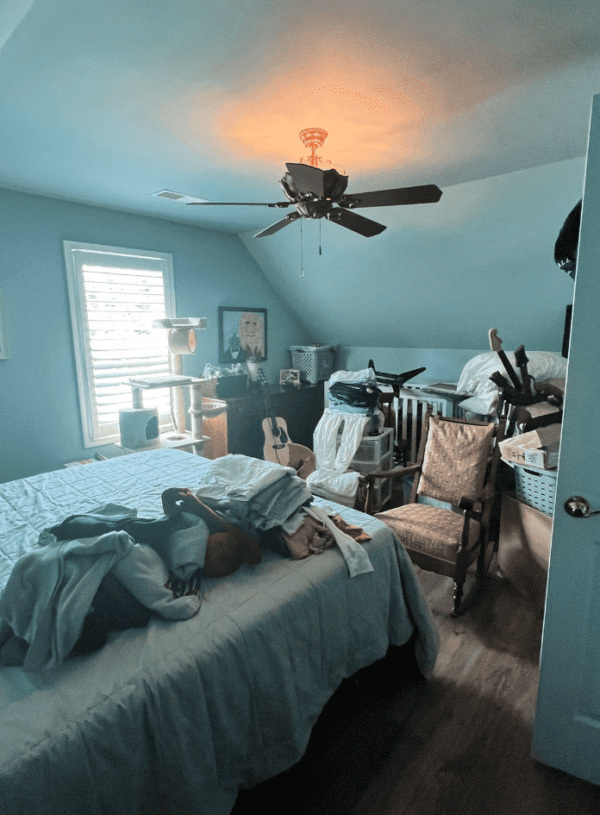
If you're ready to reclaim your space, these practical strategies will help you tackle even the most overwhelming clutter one step at a time.

Start With a Clear Decluttering Goal
One of the biggest mistakes people make when learning how to declutter your home is starting without a clear objective. Decluttering an entire house can feel vague and endless if there isn’t a defined outcome guiding the process.
Instead of saying you want to “declutter the house,” choose a measurable goal. For example:
Clear the guest bedroom so it can be used again
Empty a garage bay so a car can park inside
Create functional kitchen countertops for daily cooking
Organize the primary bedroom so mornings feel calmer
Having a specific goal helps you stay focused and provides motivation when decisions become difficult.
It also helps to connect your goal to a personal reason. Maybe you’re preparing for guests, planning a move, starting a renovation, or simply wanting your home to feel calmer and easier to maintain. When your goal has meaning behind it, it becomes easier to stay committed to the process of how to declutter your home.
Set Up Simple Sorting Zones
Before you start pulling items out of drawers or closets, take a few minutes to set up sorting zones. This is one of the most practical strategies for how to declutter your home efficiently.
Designate four simple zones:
Keep
Donate
Recycle
Trash
Choose a central area where you can maintain these zones throughout the decluttering process. This might be a corner of a room, the dining table, or an open section of the floor.
The key is to create a system where items can immediately move into the correct category instead of being shuffled around repeatedly.
Big decluttering projects rarely happen in a single session. Setting up permanent sorting zones allows you to pause and resume without losing progress. It also prevents items from drifting back into the areas you’re trying to clear.
This simple system is one of the most effective ways to maintain momentum when learning how to declutter your home step by step.
Choose One Area and Finish It
Another essential rule when tackling a large decluttering project is focusing on one contained area at a time.
Trying to declutter multiple rooms simultaneously often leads to frustration and unfinished piles. Instead, choose one space that directly impacts your daily life.
Common starting points include:
Entryway surfaces
Bedroom closets
Bathroom cabinets
A single bookshelf or storage cabinet
Within that room, narrow your focus even further. Instead of decluttering the entire kitchen, start with one drawer or one cabinet.
Completing a small area creates a visible sense of progress, which is critical for maintaining motivation. Even if you only have 30 minutes available, finishing a defined section helps reinforce the habit of decluttering.
This approach is one of the most sustainable strategies for how to declutter your home without becoming overwhelmed.
Use Clear Decision Rules
Decluttering becomes difficult when every item requires a complicated emotional decision. Creating simple rules ahead of time helps streamline the process.
When evaluating items, ask straightforward questions such as:
Do I use this regularly?
Does this item still serve a purpose in my life?
Is it in good condition?
Would I buy this again today?
If the answer is consistently “no,” the item likely belongs in the donate, recycle, or trash category.
Decision rules reduce hesitation and help prevent items from slipping back into the “keep” pile out of convenience.
These guidelines are particularly helpful when dealing with duplicates, outdated items, or things that were purchased with good intentions but no longer serve a purpose.
When you establish clear decision rules, the process of how to declutter your home becomes faster and far less emotionally draining.
Plan for Item Removal From the Start
One of the biggest reasons decluttering efforts fail is because items leave their original location but never leave the house.
Once bags or boxes of unwanted items pile up, they often sit in garages, closets, or spare rooms for months.
To prevent this, plan for removal from the very beginning of your decluttering project.
Schedule specific dates for:
Donation drop-offs
Recycling runs
Trash disposal
Treat these appointments like any other commitment. When the removal process is built into your plan, clutter leaves your home quickly instead of lingering in staging areas.
For larger decluttering projects involving bulky furniture, construction debris, or large quantities of items, you may need to consider additional disposal options. Planning ahead ensures that unwanted items are removed efficiently as you work through the process of how to declutter your home.
If needed, you can always prepare space for a roll-off rental dumpster. Depending on a few factors like location and the length of time needed will determine the investment- think $300-625 for 3-5 days.
Reset the Space With Intention
Once an area has been decluttered, the next step is resetting the space in a way that supports long-term organization.
Instead of placing items back randomly, assign each category a designated home based on where it is used.
For example:
Cooking tools should live near the stove or prep area
Daily toiletries should stay within easy reach in the bathroom
Frequently worn clothing should be accessible in the closet
Avoid the temptation to refill empty space simply because it’s available. Open space is valuable and allows rooms to remain functional and easy to maintain.
Resetting each area intentionally ensures that the effort you invested into learning how to declutter your home results in systems that actually last.
Maintain Progress With Small Daily Resets
Decluttering doesn’t end once the initial cleanout is complete. Maintaining your progress requires small daily habits that prevent clutter from creeping back in.
One of the most effective strategies is performing a short reset each day. Spending just five minutes returning items to their designated homes can keep newly decluttered spaces functioning properly.
Weekly check-ins can also help reinforce your progress. Walk through one area of your home and quickly identify anything that no longer belongs.
By maintaining these small habits, you reinforce the systems created during the decluttering process and ensure your home stays manageable over time.
These simple routines make it much easier to maintain the results of how to declutter your home long after the initial project is finished.
Conclusion
Learning how to declutter your home doesn’t require an extreme approach or a single marathon cleaning session. The most effective strategy is creating a simple plan that allows you to work steadily and consistently.
By setting a clear goal, creating sorting zones, finishing one area at a time, and planning for item removal early in the process, you can make meaningful progress without becoming overwhelmed.
Decluttering is ultimately about creating a home that supports your daily life rather than complicating it. When you approach the process thoughtfully and intentionally, every completed space becomes easier to maintain and more enjoyable to use.


