1. Start With High-Impact Surfaces
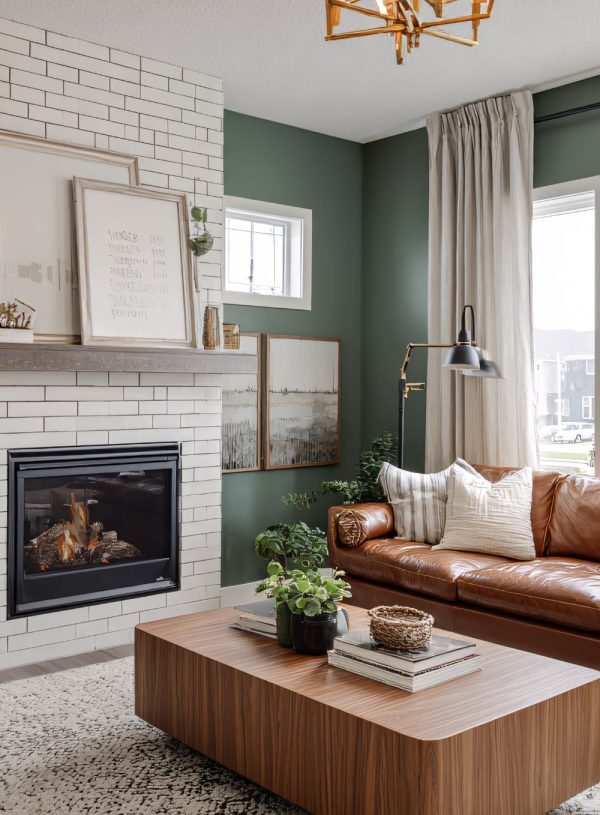
Kitchen counters, coffee tables, and nightstands tend to collect items throughout the day. These surfaces often become dumping grounds for mail, keys, phone chargers, and random objects that don’t have designated homes. Clearing these areas first creates immediate visual relief and makes your entire space feel more organized.
Focus on one surface at a time rather than trying to tackle everything simultaneously. Remove every item, and clean the surface thoroughly. Then, only return items that truly belong there.
2. Address Hidden Clutter Sources
Drawers and cabinets might seem less important since they’re out of sight, but knowing chaos lurks behind closed doors creates subconscious stress. The most overlooked organizational task often involves these hidden spaces that we avoid because they feel overwhelming. Start with the drawer or cabinet that bothers you most when you open it.
Empty the contents onto a clean surface, and sort items into categories. Discard expired products, broken items, and things you haven’t used in over a year.
3. Design Functional Storage Solutions
Effective storage keeps necessary items accessible while maintaining visual calm. Closed storage, such as baskets, boxes, and cabinets, hides everyday items that would otherwise create visual clutter. Open storage works best for items you use frequently and that look attractive when displayed. Meanwhile, vertical storage maximizes space efficiency and keeps floors clear, which makes rooms feel more spacious. Choose storage solutions that complement your existing decor rather than adding to the visual chaos.
4. Maintain Air Quality and Cleanliness
Clean air contributes a lot to a relaxing environment, and clutter often interferes with proper airflow and cleaning routines. Keeping your AC in good condition prevents dust accumulation that settles on surfaces, making spaces feel stuffy and unclean. Regular filter changes and system maintenance reduce the dust circulating through your home. When surfaces stay clear, regular cleaning becomes quick and manageable rather than an overwhelming chore.
5. Transform Your Space Into Your Sanctuary
Creating a peaceful home environment doesn’t require perfection or expensive organizational products. Small, consistent changes compound over time to make dramatic improvements in how your space feels and functions. When you implement these decluttering tips to create a more relaxing living space, you’re investing in your daily well-being and mental health.
Remember that organization is deeply personal, and what works for others might not suit your lifestyle. Focus on creating systems that feel natural and sustainable for your needs.